

For residents living around the Sliema Ferries, what should be one of Malta’s most attractive waterfront areas is increasingly becoming a source of daily frustration.
The problem is not one single incident. It is the repetition.
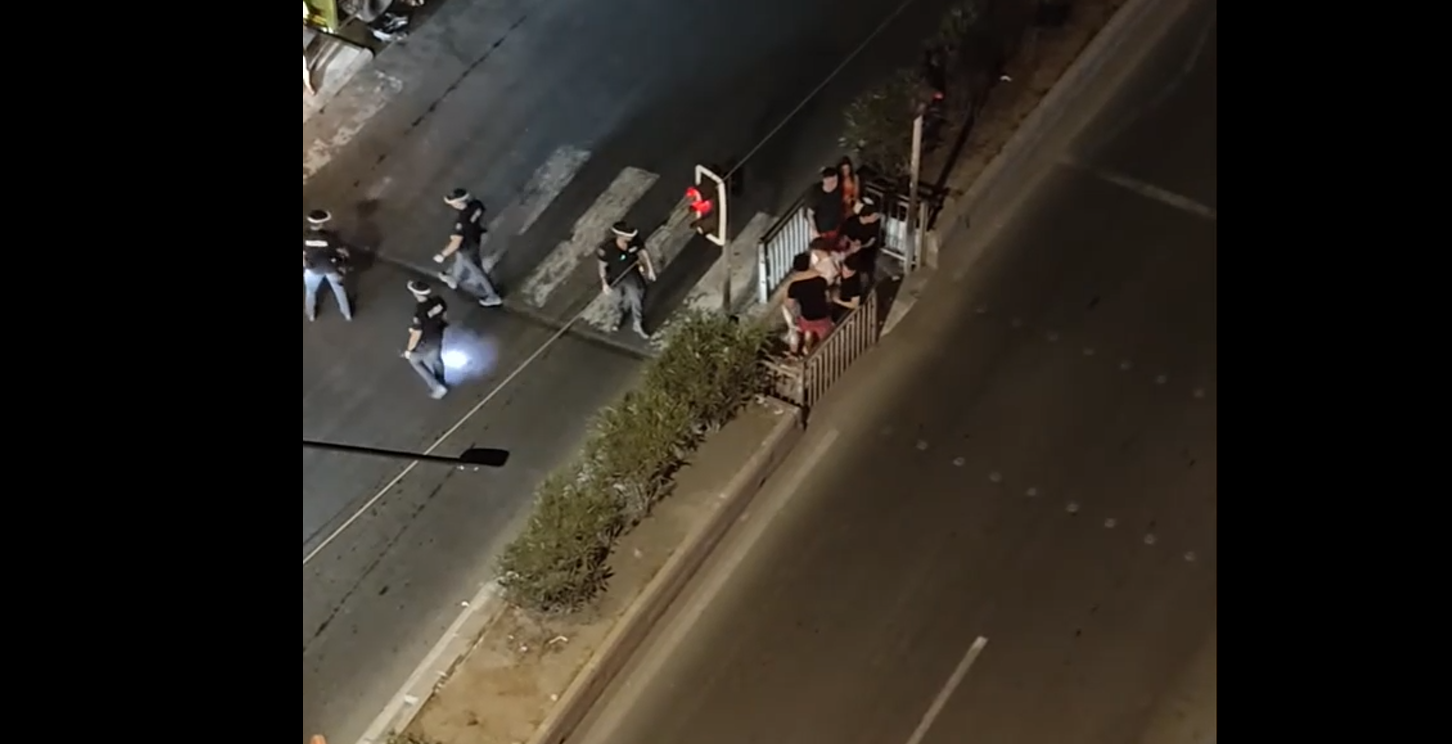
Loud groups, shouting, public drinking, litter, disturbances, arguments and antisocial behaviour have become an all-too-familiar sight, particularly during the busy summer months. Add the constant movement of party boats and large groups arriving and leaving the area, and residents are left dealing with an environment that can change dramatically from day to night.
Residents Live Here Too
The Ferries is a tourism and entertainment hub, but it is also a residential neighbourhood.
People live above the shops, restaurants and promenade. They have children, jobs, elderly relatives and ordinary lives. They should be able to sleep, walk home, open their windows and use their neighbourhood without feeling that they are living permanently inside an entertainment district.
Tourism is enormously important to Malta, but successful tourism should coexist with residents rather than push them out of their own communities.
There is a major difference between people enjoying themselves and behaviour that repeatedly affects everyone around them.
Party Boats Cannot Be Ignored
Another concern frequently raised around the Ferries is the concentration of party and excursion boats operating from the area.
Thousands of people can pass through this relatively small stretch of waterfront, particularly during peak periods.
Most visitors cause no problems whatsoever. But when incidents do occur, the consequences do not remain on the boats. Large groups return to the promenade, taxis and transport are needed, noise continues, and occasionally police intervention is required.
Operators benefiting commercially from these activities should also carry responsibility for ensuring their customers do not create problems for the surrounding community.
The burden cannot simply be passed onto residents and the police once passengers step ashore.
Police Resources Are Not Unlimited
Police presence is reassuring when problems occur, and officers dealing with difficult situations deserve recognition.
But there is another question that needs to be asked.
How many police resources should repeatedly be required to deal with preventable behaviour connected to nightlife and tourist entertainment?
Those officers are also needed elsewhere in Sliema, Gżira, St Julian’s and surrounding areas.
Better prevention, stronger cooperation with operators and visible enforcement could reduce the need for police to repeatedly intervene after a situation has already escalated.
A Question of Safety
There is also the less visible impact on residents.
Someone walking home alone late at night or early in the morning may experience the area very differently from somebody visiting it for a few hours.
Large intoxicated groups, shouting, confrontations and unpredictable behaviour can make people feel uncomfortable or unsafe even when no crime is actually taking place.
Residents should not have to plan their route home around disturbances in their own neighbourhood.
Tourism Needs Management, Not Excuses
None of this means Sliema should become silent.
It is a busy town, a commercial centre and one of Malta’s main tourist destinations. Noise and activity are inevitable.
But there is a difference between a lively waterfront and unmanaged disorder.
Other heavily visited destinations have increasingly recognised that protecting residents is essential to maintaining a successful tourism product. Malta should be capable of doing the same.
That means clearer rules, visible enforcement, accountability from commercial operators and quicker action when particular locations repeatedly generate complaints.
Most importantly, authorities should stop treating each incident as though it exists in isolation.
When residents are reporting the same problems repeatedly, the pattern itself becomes the issue.
The Sliema Ferries can remain lively, welcoming and successful without becoming somewhere residents simply have to endure.
Tourism and residential life can coexist. But only if somebody is prepared to manage the balance.